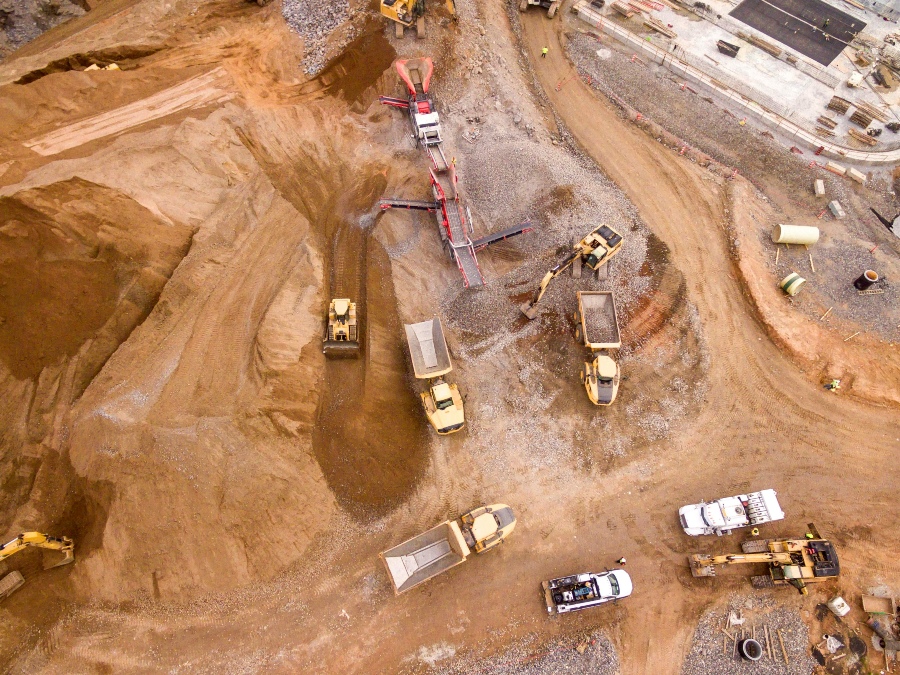
If you work in construction, demolition, groundwork or recycling, you have probably come across the term stone crusher.
But what exactly does this machinery do, and how do you know which type is right for your site? This guide explains the basics of stone crushing, the main types of crusher available, and how to choose the right machine for your project.
What is a stone crusher?
A stone crusher is a machine designed to break down large rocks, concrete, brick and other hard materials into smaller, more manageable sizes. The end result is a usable aggregate that can be reused on site, sold on, or taken away for further processing. Stone crushers are widely used across construction, demolition, quarrying and road construction, where turning waste material into a valuable product saves both time and money.
The concept has been around for well over a century. Eli Whitney Blake is generally credited with inventing the first practical jaw crusher back in the 1850s, and the fixed jaw and movable jaw design he developed remains the basis for many crushers still in use today.
How does a stone crusher work?
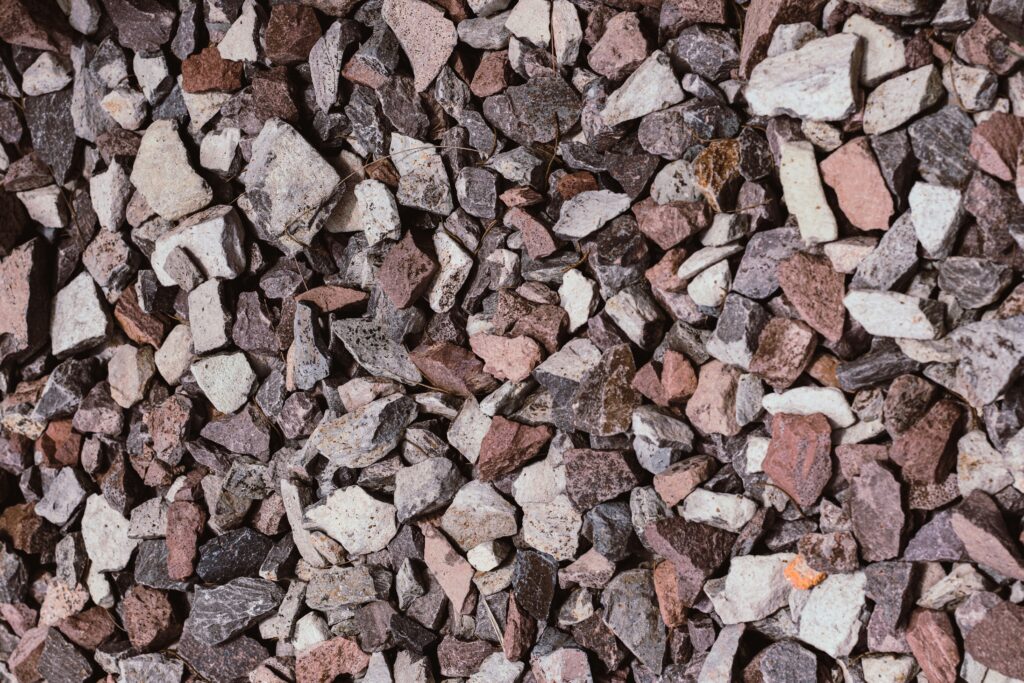
Most stone crushers work by applying compressive force to break down the starting material. Large rocks or demolition waste are fed into a crushing chamber, where a fixed jaw and a movable jaw work together to reduce the material to the desired output size. The movable jaw is driven by an eccentric shaft, which creates the crushing action needed to break down even hard rock and abrasive materials.
Crushing typically happens in stages. Primary crushing handles the largest, toughest material first, breaking oversized rock down to a more workable size. Secondary crushing then refines this further, and in some processes tertiary crushing is used to achieve fine aggregates or a specific particle size. Depending on the application, a job may only need primary crushing, or it may require the complete crushing process from large stones through to fine crushing.
Main types of stone crusher
There are several main types of crusher on the market, each suited to different materials and site requirements.
Jaw crushers are the most common choice for primary crushing. They use a fixed jaw and swing jaw to apply high compressive force, making them ideal for hard materials, medium hardness rock and general demolition waste. Jaw crushers are known for their high productivity and are a dependable choice across various industries.
Impact crushers use high speed rotating hammers to break material apart, which works well for softer materials and produces a more cubical output. They are often used where a specific stone type or finish is needed for building materials.
Cone crushers and gyratory crushers are typically used for secondary or fine crushing, refining material that has already been through a primary crusher. They use a concave surface and rotating action to achieve a consistent output size.
Roll crushers apply pressure between two rotating rolls and are generally used for softer rock or where a controlled feed size is required.
For most construction, demolition and recycling applications, a jaw crusher offers the best balance of durability, productivity and ease of maintenance, which is why it forms the basis of our own range at Red Rhino.
Choosing the right crusher for your site
Selecting the right crusher for the job depends on a few key factors: the type of material you are processing, the feed size going in, the output size you need, and how much space you have on site.
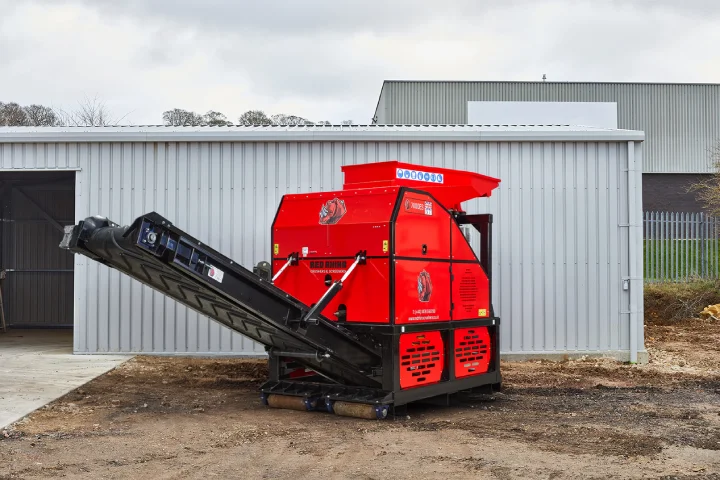
For smaller sites, back gardens or projects with restricted access, a compact machine such as our RR 4000 or RR 3000 is ideal. These crushers are easy to move, simple to operate, and can process reinforced concrete, brick and porcelain into manageable sizes without needing a large footprint.
For medium scale projects, the RR 5000 Plus offer a step up in output while remaining narrow enough for restricted sites, with adjustable jaw plates allowing output sizes from 20mm to 100mm.
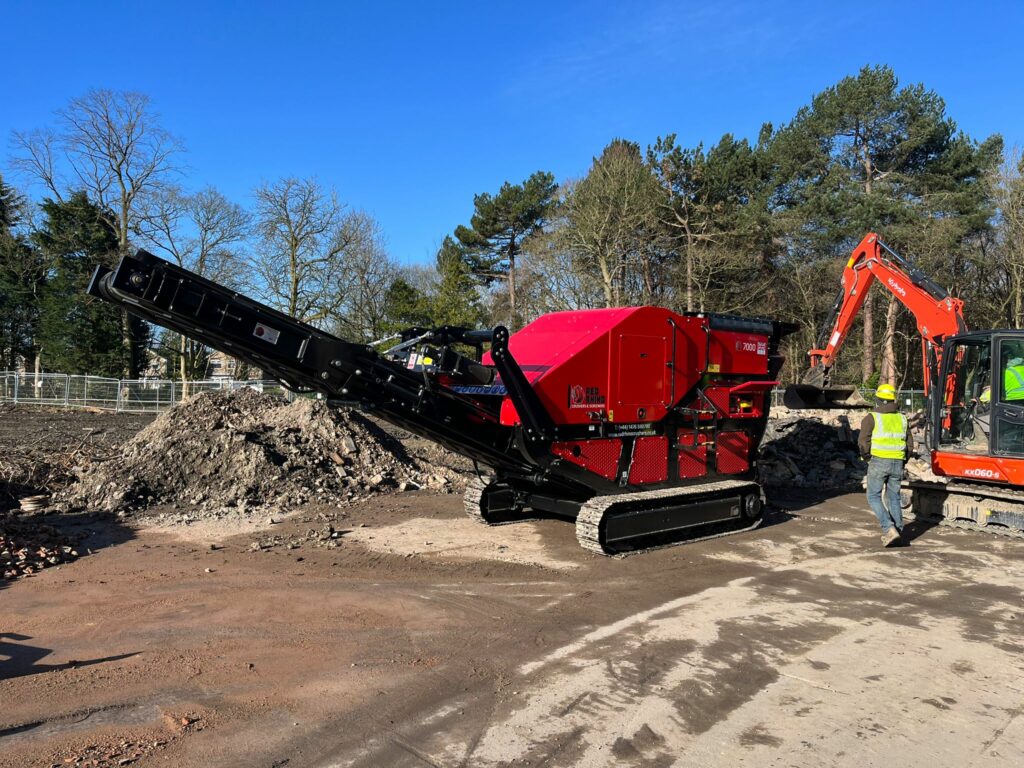
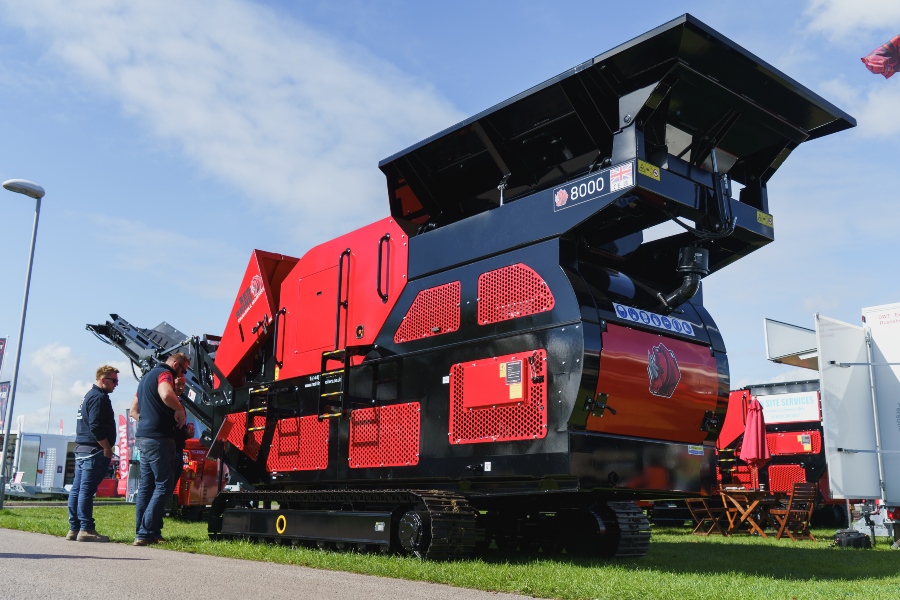
For large scale demolition and quarry work, our RR 7000 and RR 8000 are built for high productivity and continuous use. Both feature wireless remote control operation, hydraulically adjustable jaws for instant changes to output size, and grizzly feeders to separate fines from material entering the crushing chamber. The RR 8000 in particular has a deep crushing chamber and a cast crusher box designed for serious, sustained work on the toughest hard rock.
Every Red Rhino crusher is British designed and manufactured, built using manganese steel wear parts to withstand abrasive materials, and backed by nationwide service support. Whether you need a machine for occasional recycling on smaller sites or for continuous production on large infrastructure projects, there is a Red Rhino crusher built for the job.
Frequently asked questions
Can a stone crusher process concrete?
Yes. Jaw crushers, including the full Red Rhino range, are well suited to crushing reinforced concrete, brick and similar building materials into reusable aggregate, helping reduce demolition rubble to a usable product on site.
What is the difference between a crusher and a screener?
A crusher reduces the size of material. It takes large rocks, concrete, brick or other hard materials and breaks them down into smaller, more manageable pieces using compressive force, typically through a jaw, impact or cone action.
A screener does not break material down. Instead, it separates material by size, sorting a mixed pile into different grades using vibrating mesh decks. This is useful for sorting crushed aggregate into usable size categories, or for separating soil, sand and stone before further processing. At Red Rhino, we offer both jaw crushers and screeners, ranging from our 3-Way Screener to our Electric Trommel.
What aggregate sizes can a stone crusher produce?
This depends on the model and settings. Red Rhino crushers offer adjustable output sizes, ranging from around 20mm on our smaller machines up to 120mm on our larger crushers, giving flexibility for different applications.
Are stone crushers suitable for smaller sites?
Yes. Compact models such as the RR 4000 are designed specifically for restricted access sites, including back gardens, and can pass through a standard doorway while still delivering high productivity.
How much maintenance does a stone crusher need?
Regular maintenance helps keep operational costs down and extends the life of the machine. Wear plates and jaw plates are designed for easy adjustment and replacement, minimising downtime between jobs.
Get in touch with Red Rhino to find your ideal stone crusher
If you are unsure which crusher suits your requirements, our team is on hand to help. Get in touch for a free quote or to discuss your project in more detail.
- Fill in our online contact form
- Call us on +44 (0) 1476 590790
- Email info@redrhinocrushers.net