If you work in construction, demolition or waste recycling, you already know that processing material efficiently saves time and money. Two machines sit at the heart of that process: the crusher and the screener. Used together, they turn large rocks, rubble and construction waste into usable products ready for resale or reuse on site.
This blog explains how screeners and crushers work together, what each machine does, and how to choose the right setup for your site.
What does a crusher do?
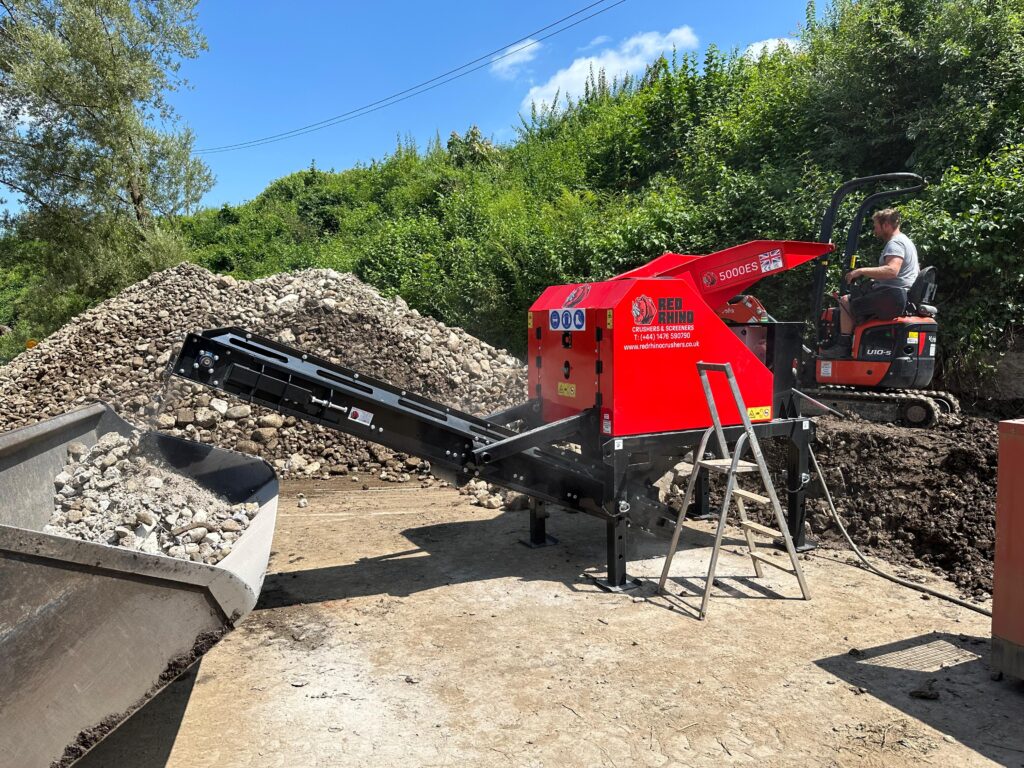
A crusher’s job is to break down large material into smaller pieces. This is known as primary crushing, and it’s the first stage in any material processing workflow. Without it, oversized rubble and hard rock simply can’t move through the rest of the system.
Types of crushers
There are several types of crushers on the market today, each suited to different applications:
Jaw crushers use two plates to compress and break material as it moves through the crushing chamber. This design dates back to the early 20th century, with the Blake jaw crusher considered one of the original models still influencing modern designs. Jaw crushers remain popular because of their high reduction ratios and ability to process hard rock and demolition waste.
- Cone crushers work well for secondary crushing, refining material that’s already been through primary crushing.
- Impact crushers use an impact chamber and impact wall to shatter material through high-speed impact rather than compression, useful for softer or more brittle materials.
- Roller crushers are another option, typically used in mining operations where higher capacity and consistent output size matter.
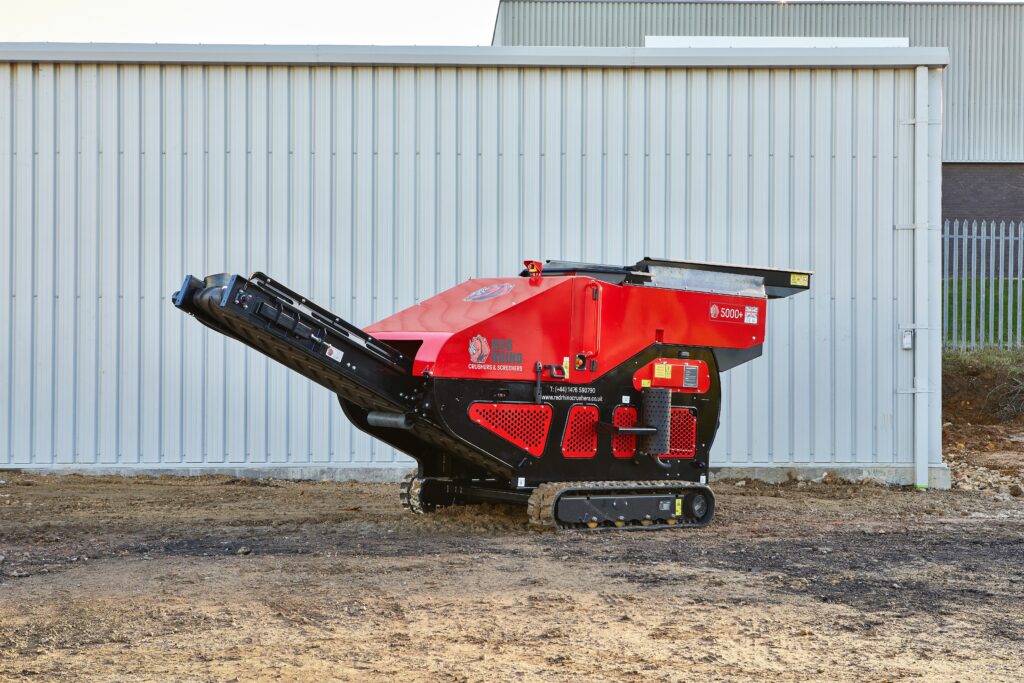
At Red Rhino, our crushers are all jaw crusher designs, built for heavy duty use across demolition projects, groundwork and recycling yards. Our range includes hydraulically adjustable jaws, meaning operators can change product size without stopping the machine, reducing downtime and keeping operational costs down.
What does a screener do?
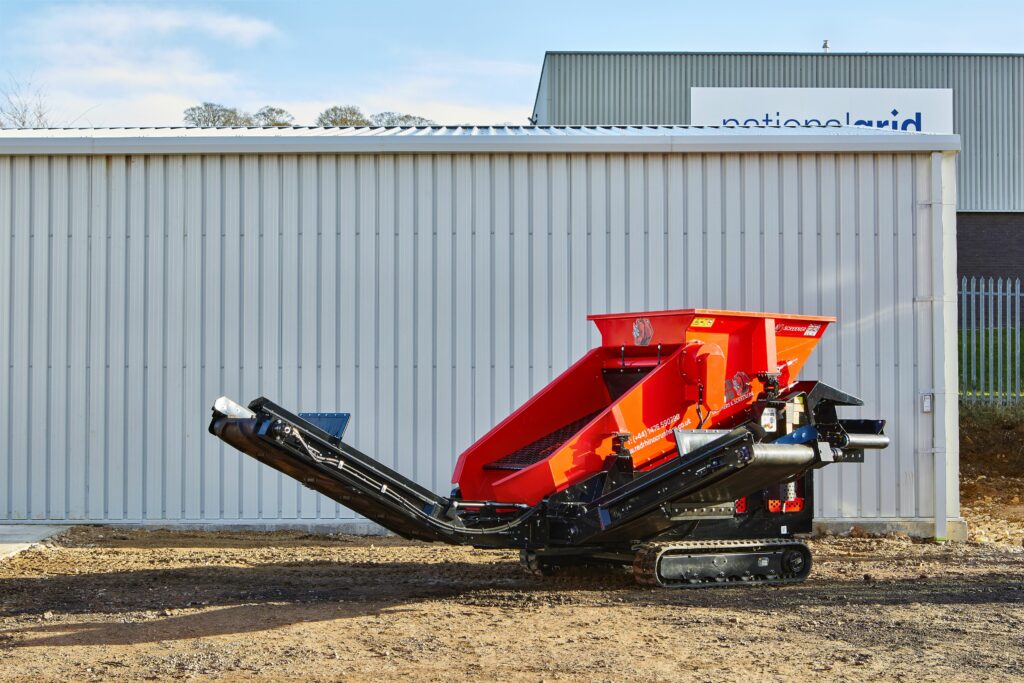
Once material has been crushed, it needs sorting. This is where screeners come in. A screening machine separates crushed material by particle size, using screening media (mesh or bars) to sort large material from smaller particles.
Common types include:
- Trommel screens – rotating drums fitted with screening media, ideal for separating various sizes of material.
- Scalping screens – used early in the process to remove oversized material before it reaches the crusher.
- Multi-deck screeners – using a bottom deck and additional decks to sort material into different grades, from finer particles up to larger pieces.
Screeners allow you to produce different grades of aggregate from a single feed, opening up various applications and additional revenue streams from what would otherwise be waste.

How screeners and crushers work together
On most sites, screeners and crushers work as a two-stage process:
- Crushing – Raw material (concrete, brick, hard rock or mixed demolition waste) is fed into the crusher via a hopper and grizzly feeder. The grizzly feeder separates fines from larger material before it enters the crushing chamber, improving throughput and reducing wear on parts. Feeder speed can usually be adjusted from the operator’s handset to suit the type of material being processed.
- Screening – The crushed material then passes through a screener, which sorts it by screen size into different grades of usable products, from fine aggregate to larger pieces suitable for further crushing.
Any oversized material identified during screening can be recirculated back through the crusher for a second pass, ensuring nothing goes to waste and the final product meets the required specification. This closed-loop approach is one of the main reasons construction industries and recycling yards choose to run screeners and crushers together rather than relying on one machine alone.
Materials suited to combined processing
Screeners and crushers work well across a wide range of materials, including:
- Concrete and reinforced concrete
- Brick and block
- Hard rock and quarry stone
- Asphalt
- Mixed demolition rubble
The right machine setup depends on the type of material you’re processing, the volume required, and the final product size needed. A site producing sub-base for groundworks will need a different screen size setup to one producing decorative aggregate.
Choosing the right crusher and screener setup
When selecting equipment, consider:
- Material type and hardness – Hard rock needs a heavy duty jaw crusher with a deep crushing chamber; softer demolition waste may process more easily.
- Required output size – Check the adjustable range on both the crusher’s jaw settings and the screener’s screening media.
- Site access and mobility – Compact crushers with expandable tracks or smaller footprints suit restricted access sites.
- Ease of use – Look for intelligent feeder control systems and wireless remote operation, both features found across the Red Rhino range, to keep the process simple and safe for a single operator.
- Wear parts and maintenance – Machines with replaceable wear plates and accessible service points reduce operational costs over time.
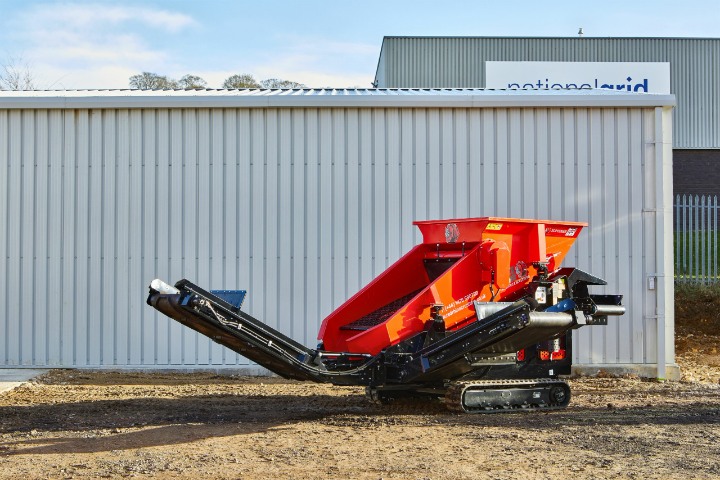
Red Rhino’s crusher range spans the compact RR 3000 and RR 4000 (ideal for small sites and restricted access) through to the RR 5000 Plus, RR 7000 and RR 8000 for larger demolition and quarry-scale projects. Our latest addition, the RR 8000, launched with a cast crusher box, 1300mm crushing chamber and hydraulic folding grizzly feeder sides for easy transport, built for high throughput on the toughest jobs.
Alongside our crushers, our Electric Trommel and 3-Way Screener is designed to work directly with our crushing range, separating material into multiple grades on site, so you can sell recycled aggregate as a finished product rather than paying for disposal.
FAQs
Do I need both a screener and a crusher on the same site?
Not always, but running both together significantly improves the quality and range of your final product. Crushing alone reduces size; screening sorts that material into usable grades. For sites producing saleable aggregate, both machines are recommended.
What order should the process follow?
Material processing typically starts with primary crushing, followed by screening. Some sites use a scalping screen before crushing to remove fines and protect the crusher from unnecessary wear.
Can oversized material be put back through the crusher?
Yes. Any material that doesn’t pass the screening process due to size can be recirculated through the crusher for further reduction, ensuring a consistent final product with minimal waste.
What is the difference between a jaw crusher, cone crusher and impact crusher?
A jaw crusher compresses material between two plates and is well suited to hard rock and demolition waste. A cone crusher works on already-reduced material for a finer product. An impact crusher uses impact force within an impact chamber, better suited to softer materials.
What screen size do I need?
This depends on the type of material and its intended use. Finer particles suit decorative aggregate or sub-base, while larger material may be suitable for hardcore. Our team can advise on the right screening media for your application.
Find your perfect screener and crusher duo: get in touch with Red Rhino today
Choosing the right combination of screeners and crushers depends on your material, site conditions and production goals. Our team has the engineering knowledge to match you with the right machine setup, whether you’re after a compact crusher for restricted access or a heavy duty setup for large-scale demolition projects.
Get in touch today for a free quote or to discuss your requirements:
- Fill in our online contact form
- Call us on +44 (0) 1476 590790