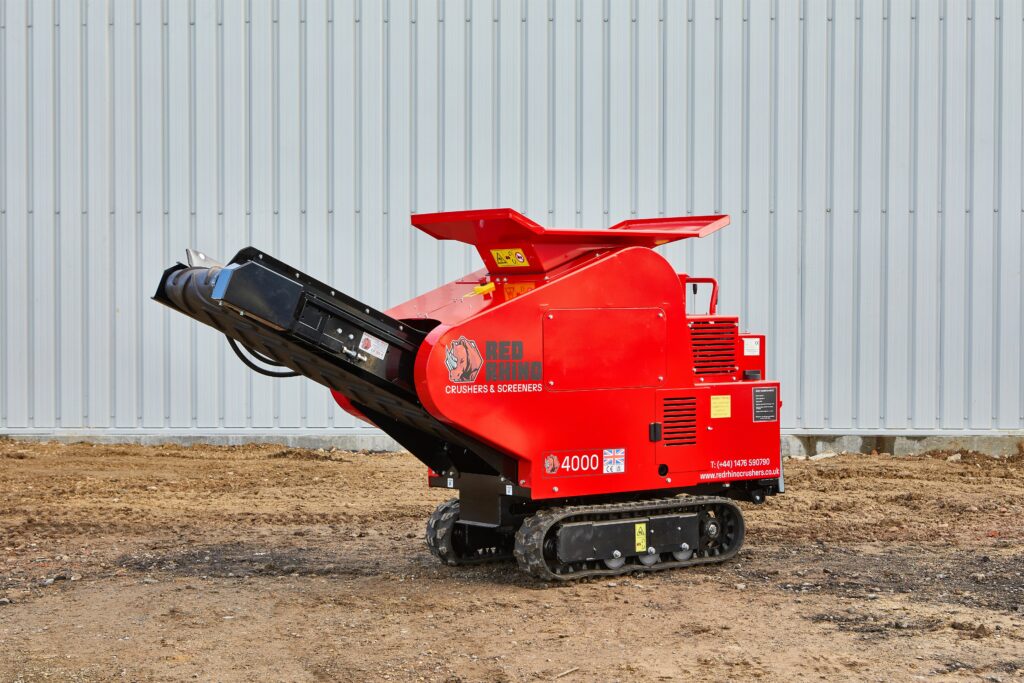
Construction and demolition sites generate a huge volume of waste materials, from rubble and topsoil to sand, aggregate and demolition debris. Sorting this material by hand is slow, labour intensive and rarely cost effective. A mobile screener solves this problem on site, separating materials by size so they can be reused, sold on or disposed of correctly.
If you’re weighing up whether a mobile screener is the right addition to your fleet, this guide covers how they work, what materials they handle, how they compare to trommel screeners, and why they matter for sustainable construction practices.
What is a mobile screener and how does it work?
A mobile screener is a self-contained piece of mobile equipment that separates bulk material into different screen sizes, typically using a vibrating deck or rotating drum. Material is loaded into a hopper (usually by excavator or wheel loader), passed over a screen mesh, and separated into two or three output grades depending on the deck size and mesh selected.
Because the unit is mobile, it can be moved between stockpiles or from job site to job site without the need for a static screening plant. This makes it ideal for contractors managing several projects, or for hire companies supplying mobile crushing and screening equipment to construction sites.
Most mobile screeners run on diesel or electric power, with hydraulically folding conveyors that allow the plant to be set up and ready to run in minutes. Wireless remote control is now standard on most models, meaning the operator can run the screener from a safe distance, often from the cab of an excavator or loading shovel.
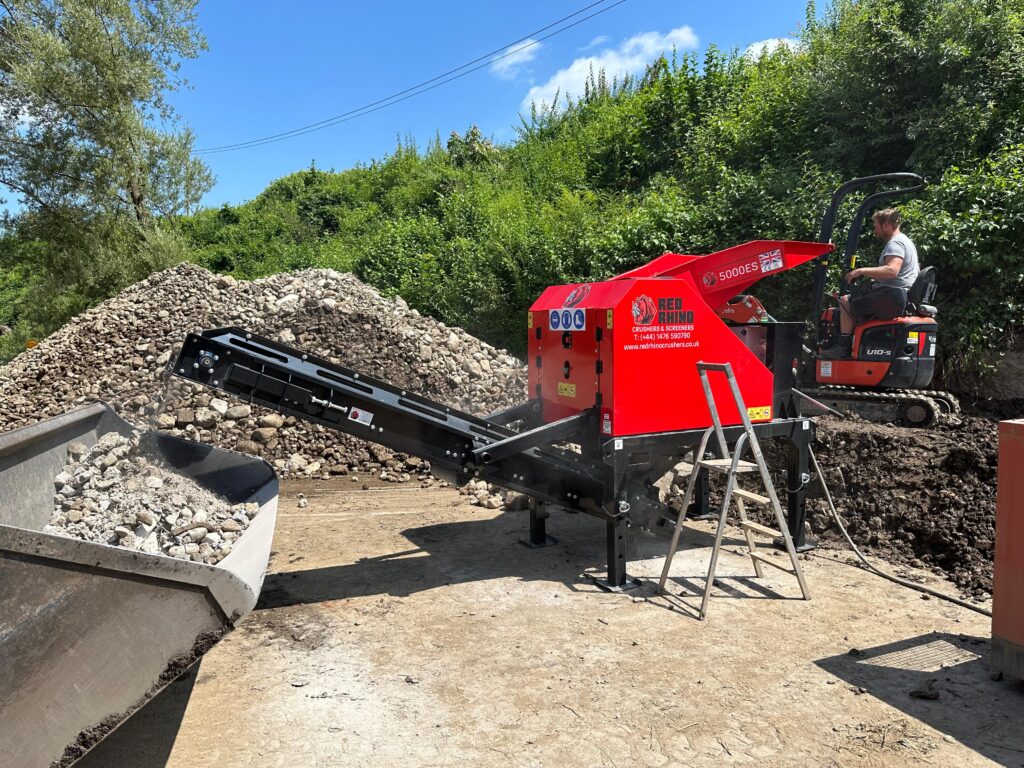
What range of materials can a mobile screener handle?
A mobile screener is built to process a wide range of materials, including:
- Topsoil and organic material
- Sand and aggregate
- Crushed concrete, brick and rubble
- Demolition waste and construction debris
- Road base material
- Municipal solid waste and recycling yard material
By changing the screen mesh sizes, the same machine can be adapted to different materials and different jobs, whether that’s producing a clean, screened topsoil for landscaping or separating oversized rubble from usable hardcore on a demolition site. This flexibility is a major reason mobile screening plants have become one of the essential tools on modern construction sites.
Mobile screener vs trommel screener: what’s the difference?
Both machines are designed to separate materials, but they work in different ways and suit different jobs.
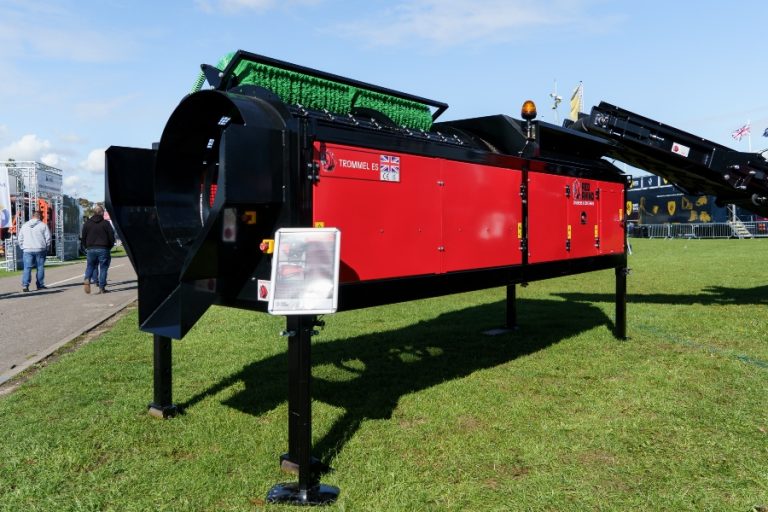
A trommel screener uses a rotating drum fitted with a screen mesh. Material tumbles through the drum as it rotates, with fine particles passing through the mesh and larger material discharged separately. Trommels are particularly effective on sticky, cohesive or wet material, such as topsoil or organic waste, where a vibrating deck can struggle. Drum swaps are quick, and mesh changes can be completed in around 30 minutes, so the machine can be reconfigured for a different type of material without significant downtime.
A traditional vibrating deck mobile screener, such as a 3-way screener, tends to offer higher throughput on drier, more consistent material and is well suited to producing three separated products in a single pass, such as topsoil, stone and oversized waste.
Neither machine is universally better. The right choice depends on the type of material, moisture content and the number of output grades you need. Many operators run both a screener and a mobile jaw crusher together, crushing rubble down to size before screening it into a usable, saleable product.
How screening supports on-site material reuse
Screening plays a central role in the circular economy on construction and demolition sites. Rather than sending waste material to landfill, a industrial screener allows contractors to separate materials on site and put them straight back to use, whether as road base, backfill or landscaping material.
This has a direct impact on the bottom line. On-site screening reduces disposal costs, cuts down on muck-away and skip hire charges, and reduces labour costs by removing the need for manual sorting. It also improves operational efficiency, since material doesn’t need to be transported off site for processing and returned later. For aggregate producers, recycling yards and mining industries alike, this single-pass approach to separating materials adds real material value while reducing environmental impact.
Red Rhino’s range of mobile screeners
Red Rhino designs and builds its full range of mobile screening equipment here in the UK, backed by over 60 years of engineering experience. Our range includes:
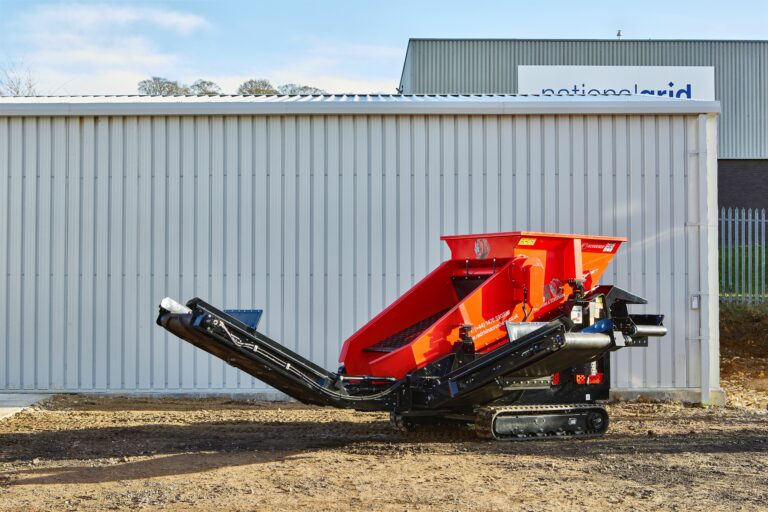
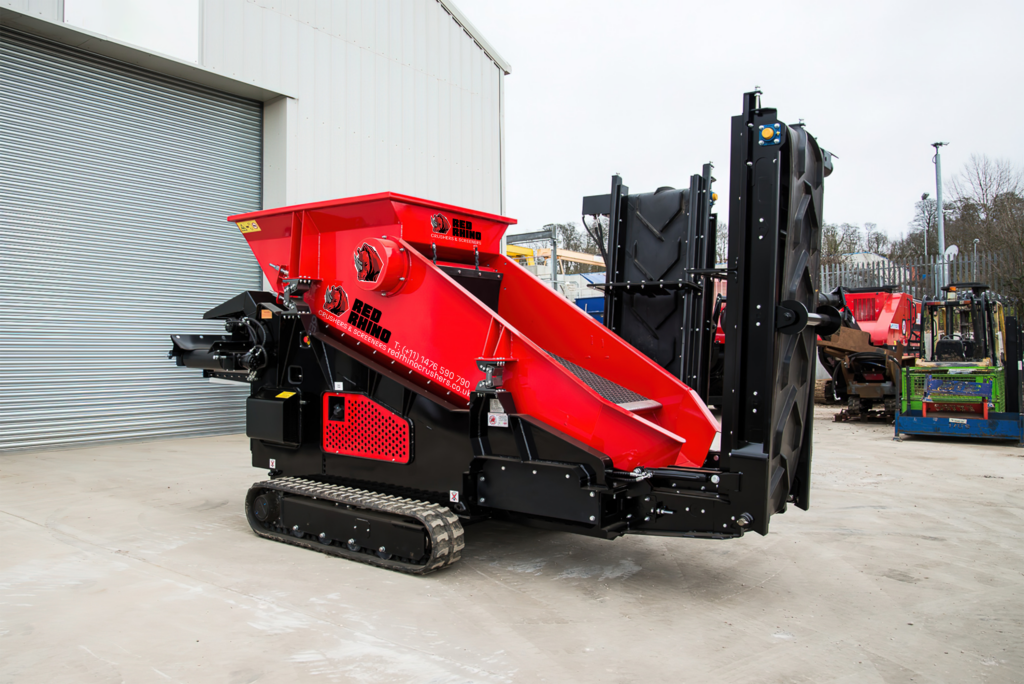
RR 3-Way Screener – A self-contained double-deck screener with three extended stockpiling conveyors, a receiving hopper and full remote control. Ideal for landscaping, golf courses, hard core and general construction waste, producing three separated products in a single pass.
RR 3-Way Screener Plus – The same reliable design with conveyors extended by one metre, increasing stockpile height and giving you more flexibility on larger sites.
Electric Trommel – A dual electric motor trommel with quick-change screen meshes, a spring-tensioned drum brush to clear blockages, and drum swaps in around 15 minutes. Well suited to topsoil, aggregate and demolition waste, and built on a durable, powder-coated steel frame with a compact footprint for restricted sites.
All Red Rhino mobile screeners are compact, easy to transport between sites, and designed with straightforward maintenance in mind, so you get maximum efficiency without unnecessary downtime.
FAQs
Can a mobile screener handle topsoil?
Yes. Mobile screeners, and trommel screeners in particular, are well suited to processing topsoil and other organic material. Screening removes stones, roots and oversized debris, leaving a clean, reusable product for landscaping or resale.
What’s the difference between a screener and a crusher?
A crusher reduces the size of material, such as breaking down concrete or brick into aggregate. A screener separates material by size, sorting it into different grades. On many sites, a mobile jaw crusher and a mobile screener are used together, with the crusher reducing material to size before the screener sorts it into a usable product.
How well do mobile screeners perform on restricted or tight sites?
Very well. Red Rhino’s mobile screeners are built with compact dimensions and low weight, allowing them to be manoeuvred and transported easily, even on sites with limited access. Hydraulically folding conveyors also mean the plant can be set up quickly, without the need for a large working area.
What screen mesh sizes are available?
A wide range of screen mesh sizes is available across the Red Rhino range, allowing the same machine to be adapted for different materials, from fine screening of topsoil through to coarser separation of construction debris and road base material.
Get in touch to find the perfect mobile screener for your site
If you’re looking for a mobile screener to improve efficiency on your next project, Red Rhino can help you find the right machine for your specific needs. Get in touch with our team for a free quote or to discuss your requirements:
-
-
- Fill in our online contact form
- Call us on +44 (0) 1476 590790
- Email info@redrhinocrushers.net
-