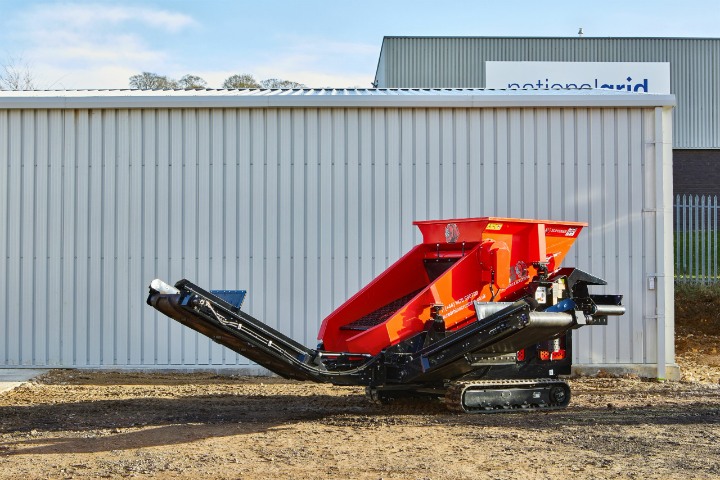
If you work in construction, demolition, recycling, or groundwork, you have likely encountered the need to sort and separate materials on site. Whether you are dealing with topsoil, crushed rock, demolition waste, or aggregates, getting the right material to the right place quickly is essential to keeping projects on schedule and costs under control. That is exactly where a screener plant comes in.
This guide explains what a screener plant is, how it works, and why investing in the right screening machine could be one of the smartest operational decisions you make.
What does a screener plant do?
A screener plant is a piece of equipment designed to separate raw material into different size fractions. Using a mechanical process – typically vibratory screens, incline screens, horizontal screens, or a rotating cylindrical drum – the machine passes material through one or more screen decks, sorting larger pieces from smaller particles and producing multiple usable outputs in a single pass.
The result is a clean, separated final product ready for reuse, sale, or further processing. Rather than sending mixed waste to landfill or paying for bought-in materials, a screener plant allows you to recycle what you already have on site.
Key components of a screening plant
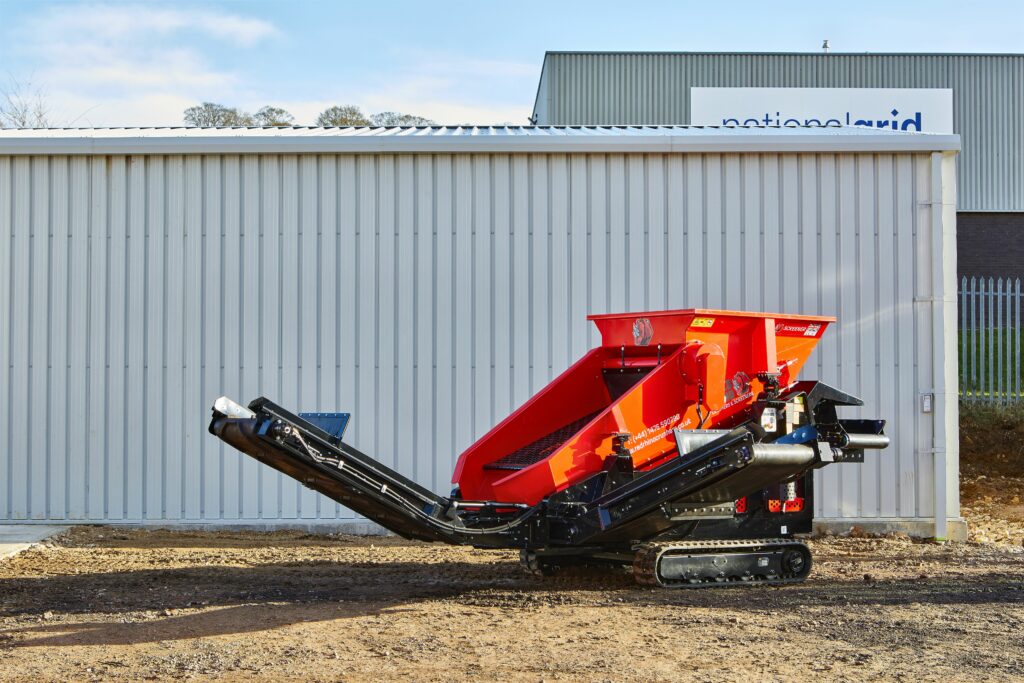
Understanding the key features of a screener plant helps you choose the right equipment for your specific needs. Most screening machines share the following core components:
Receiving hopper – This is where the raw material is loaded, typically by an excavator or directly from a crusher conveyor. The hopper controls the feed rate and protects the machine from overloading.
Screen deck – The heart of the machine. Material passes over one or more screen decks, where mesh sizes determine what goes through and what does not. Different applications require different screen sizes and mesh configurations.
Conveyors – Separated materials are carried away from the machine via conveyors, stockpiling different size fractions in distinct locations on site. The height and reach of the conveyors directly affects how efficiently you can manage material flow.
Power unit – Screener plants are powered by diesel engines or electric motors depending on the model. Electric options are growing in popularity on job sites with power access, reducing running costs and emissions.
Chassis and tracks – Mobile screeners are mounted on a tracked chassis, allowing them to move around site without the need for a separate vehicle. Remote control operation is a standard feature on many modern machines, improving ease of use and operator safety.
Static vs mobile screener plants
Screener plants come in two broad categories: stationary plants and portable screening plants.
Stationary plants are fixed installations suited to high-output, permanent operations such as quarries or large recycling yards. They handle larger amounts of material consistently but lack flexibility between job sites.
Mobile screening plants – also referred to as portable screening plants – are the preferred choice for contractors working across multiple locations. Low weight and compact folding designs make transportation straightforward, and quick setup means less downtime between moves. For businesses working in tight spaces or urban environments, the compact footprint of a mobile screener is a significant practical advantage.
Where are screener plants used?
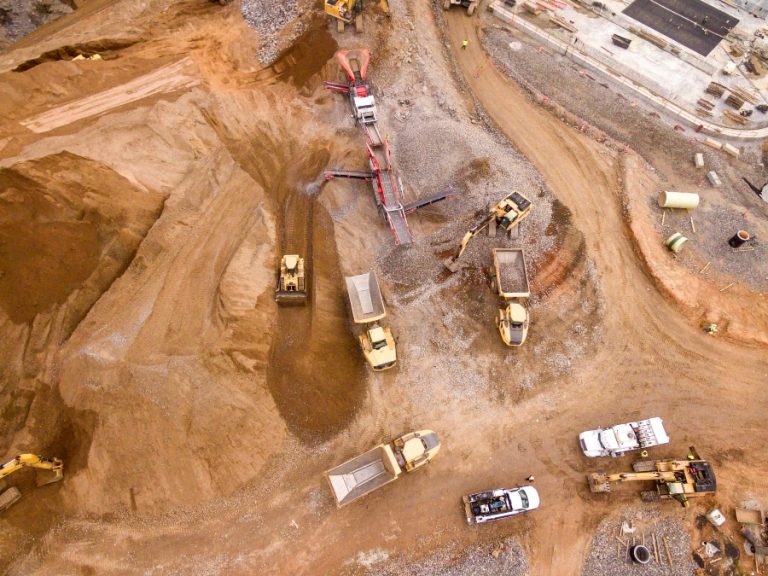
Screener plants are used across a wide range of industries and different applications:
- Construction and demolition – Separating demolition waste, recycling concrete, and producing road base from crushed material
- Groundwork and landscaping – Topsoil screening, processing natural rock, and preparing aggregates for drainage or surfacing
- Recycling yards and skip hire – Sorting mixed waste into usable material types to reduce landfill costs and create new revenue streams
- Quarrying and mining – Processing high volumes of natural rock and aggregates into specific grades
- Golf courses and sports ground maintenance – Separating fine material from oversized material to produce consistent, usable surfaces
The type of material you are working with – whether it is dry material, sticky materials, or mixed demolition waste – will influence the right screener for your operation.
Red Rhino’s screener range
At Red Rhino, we manufacture a range of screeners designed and built in Britain to meet the demands of various industries. Here is an overview of our current range:
RR 3-way screener+
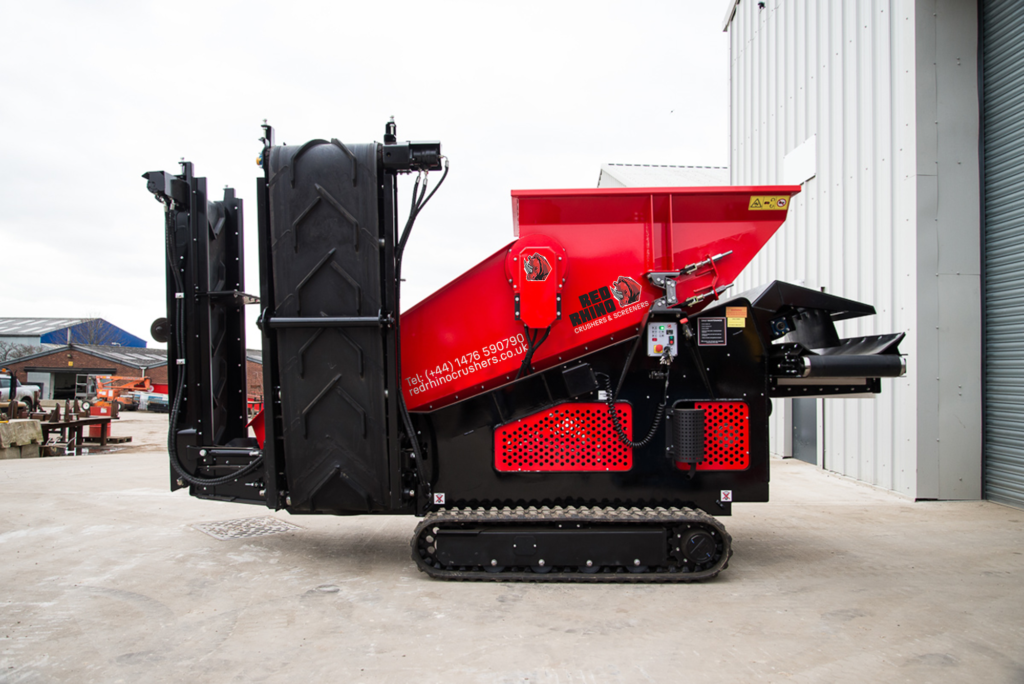
The Red Rhino 3-Way Screener is a self-contained plant built for operators who need three screened products from a single pass. Fitted with a receiving hopper, double-deck screen, Kubota three-cylinder diesel engine, three extended stockpiling conveyors, and a tracked chassis with remote control, it is a highly practical machine for a wide range of materials.
The 3 Way Screener Plus model features conveyors 1m longer than the standard version, increasing the stockpile height from 1.2m to 2m. The chassis also sits 300mm higher, giving greater clearance and improved material flow. Conveyors fold hydraulically, and the machine can be set up in under a minute – making it ideal for contractors who need to move between job sites regularly.
Whether you are processing crushed rock, hard core, or topsoil, the 3-Way Screener delivers clean, separated outputs exactly where you need them on site.
Red Rhino electric trommel
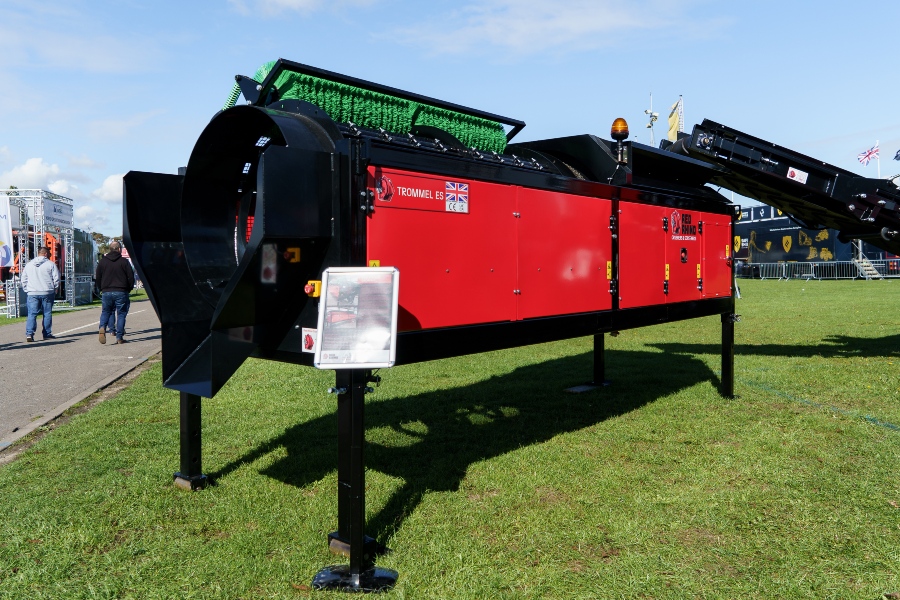
The Red Rhino Electric Trommel uses a rotating drum to separate materials into two output sizes. Powered by dual electric motors that synchronise feed and drum rotation, this screening machinery handles everything from topsoil and aggregates to demolition waste with genuine ease of use.
The trommel is built on a durable, powder-coated steel frame with height-adjustable support legs. An optional hook-lift frame makes loading and transportation simple. Screen meshes can be changed in just 30 minutes, and a wide range of mesh sizes is available to match your material type. The sliding hopper system allows drums to be swapped in approximately 15 minutes.
A spring-tensioned cleaning brush works continuously to clear the rotating cylindrical drum of blockages – even when working with sticky materials that would cause problems for other machines. This makes the Electric Trommel a particularly capable trommel screen for demanding or variable material characteristics.
Our latest screener model – launched at Hillhead 2026!
When high output is a priority, we have the solution. Our newest screener, launched Hillhead 2026, is the biggest option in our range.
With anticipated production rates of 280–300 tonnes per hour and a 2.5m³ hopper, this is our largest and most powerful 3-way screener.
Despite its capacity, our new screener is designed with practicality in mind. Its compact folding design means it fits inside a standard shipping container without disassembly – a significant advantage for businesses operating across multiple locations or shipping internationally.
This machine is designed to work in conjunction with our largest jaw crusher to date – the RR 8000. Combining these two machines allows a streamlined movement of material through the crushing and screening stages. The result is aggregate that is crushed down to size and sorted to be reused or sold.
Powered by a Caterpillar diesel engine – the same reliable unit used in our 7000 crusher – our new machine delivers consistent performance across quarrying, demolition, and large-scale recycling use cases. Adjustable screen angles, variable-speed belts, and an adjustable front conveyor with stockpile heights of 2.8m to 3.0m give operators precise control over material flow. Reinforced impact bars beneath the feeder belt ensure the machine handles tough, abrasive materials day after day.
How a screener plant improves your bottom line
A screener plant does more than just sort material. Used alongside jaw crushers or mobile jaw crushers, a right screening plant allows you to produce clean, usable aggregate from waste – turning a disposal cost into a genuine revenue stream.
The ability to separate and recycle material on site reduces transportation costs, eliminates the need for bought-in hardcore, and cuts landfill charges substantially. For skip hire companies, recycling yards, and plant hire businesses, owning a screener opens up new revenue streams by enabling the sale of separated materials. For contractors, it means less manual handling, fewer delays, and a better quality final product.
Choosing the right screener for your specific needs – whether that is a compact mobile screener for tight spaces or a high-throughput machine like the 12000 – is essential to getting the best fit for your operation.
Frequently asked questions
What is the difference between a screener plant and a crusher?
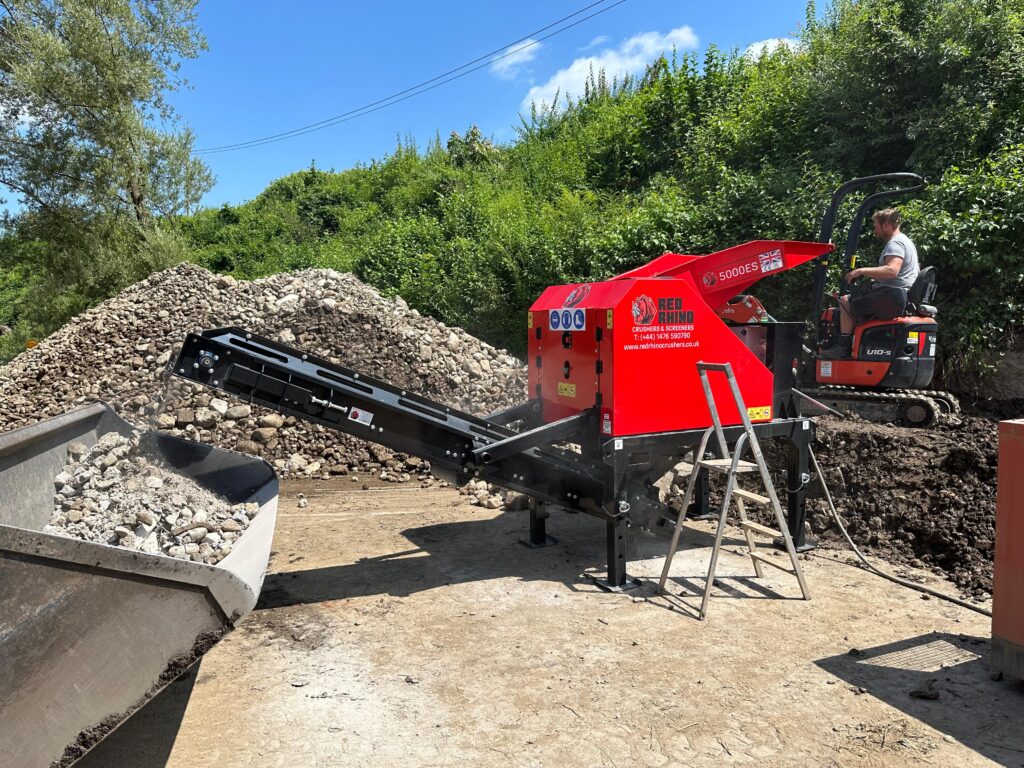
A crusher breaks down large material into smaller pieces. A screener plant then separates that crushed material – or other raw material – into different size fractions. The two machines are often used together on job sites: a jaw crusher reduces the material, and the screening plant sorts it into usable grades. Red Rhino manufactures both, giving you access to a fully integrated solution from a single machinery partner.
What type of material can a screener plant process?
Screener plants handle a wide range of materials including topsoil, aggregates, sand, gravel, demolition waste, crushed concrete, natural rock, and road base. The right screener for the job depends on your material characteristics – particularly whether you are dealing with dry material or sticky materials, and the range of particle sizes involved.
Are mobile screeners easy to transport between sites?
Yes. Modern mobile screening plants are designed for quick setup and straightforward transportation. Red Rhino screeners feature hydraulically folding conveyors, compact dimensions, and low overall weight, meaning they can be moved between job sites without specialist transport in most cases.
Can a screener plant work directly with a crusher?
Absolutely. Red Rhino screeners can be fed directly from a crusher conveyor, allowing you to screen material as it is produced. This integrated approach maximises efficiency, reduces manual handling, and ensures a cleaner final product in a single pass.
What screen size do I need?
Screen size depends on your material type, the different size fractions you need to produce, and the volume of material you are processing. Our team can help you identify the best fit for your unique needs – just get in touch.
Get in touch with Red Rhino
If you are looking for the right screening plant for your operation, our team is ready to help. Whether you need a compact trommel for a small recycling yard or a high-output screener for large-scale demolition, we will help you find the right equipment for your specific needs – without the jargon.
Get a free quote or discuss your requirements today:
- Use our online contact form
- Call +44 (0) 1476 590790
- Email info@redrhinocrushers.net